
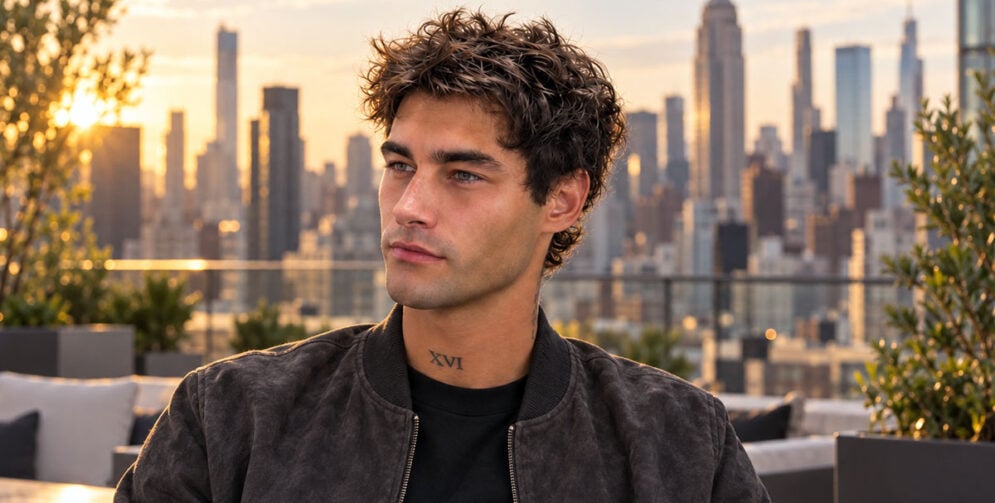
You tell your barber to make your hair easy to style and less bulky but fuller-looking, and he recommends adding texture, introducing layers or removing weight. The terms sound interchangeable, but each one changes the haircut differently. Texture affects separation and surface movement. Layers establish the relationship between shorter and longer sections. Removing weight reduces or redistributes bulk in selected areas.
The distinction matters because a vague request to “thin it out” can solve one problem while creating another. Thick sides may need targeted debulking, while a heavy fringe may need layers that preserve its density. Fine hair may benefit from light texture at the ends but lose its shape when too much internal hair is removed.
My guide explains what barbers mean by texture, layers and weight, the techniques used to create each result, and the language that will help you ask for what your hair actually needs.
Texture, Layers and Weight Removal: At A Glance
These three ideas can appear in the same haircut, but they are not three names for the same service. The simplest way to separate them is to think about the result each one controls.
- Texture controls separation. It changes how solid, soft, choppy or piecey the surface and ends appear.
- Layers control shape. They establish different lengths throughout the haircut to create movement, volume, connection or a more balanced silhouette.
- Weight removal controls bulk. It reduces excessive mass in a specific area so the hair sits closer, moves more freely or requires less effort to style.
A barber may layer the top to create movement, point-cut the ends to add texture and remove internal weight above the ears to stop the sides from flaring. Each decision serves a different purpose. The quality of the haircut depends less on how many techniques are used and more on whether each one supports the intended shape.
Start with Hair Texture, Strand Thickness and Density
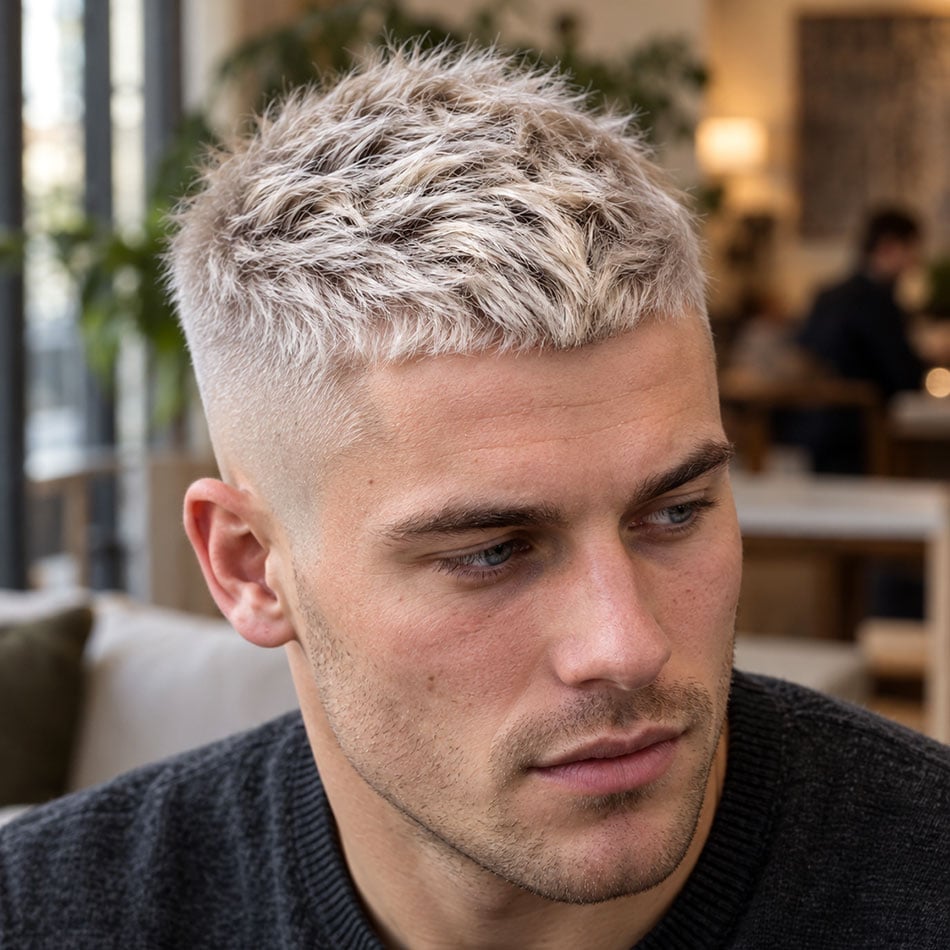
Before discussing cutting texture, it helps to separate three characteristics that are often grouped together. Your natural texture describes whether the hair is straight, wavy, curly or coily. Strand thickness describes the diameter of an individual hair and may be fine, medium or coarse. Density describes how many hairs grow within an area of the scalp.
These characteristics do not always match in the way people expect. A man can have fine individual strands but a high density of them, creating a full head of hair that still feels soft. Another man may have coarse strands with lower density, so the hair feels strong but reveals more scalp when it is separated. This is why “my hair is thick” does not give a barber enough information. The technique should reflect the strand, density, natural movement and finished style.
What Does Texture Mean In A Men’s Haircut?
In a haircut consultation, texture can describe either the hair’s natural pattern or a visual effect created by cutting and styling. When a barber says he wants to “add texture,” he usually means breaking up a solid shape so the hair separates into more visible pieces. The result may look softer, rougher, choppier or more defined depending on the technique and the styling product.
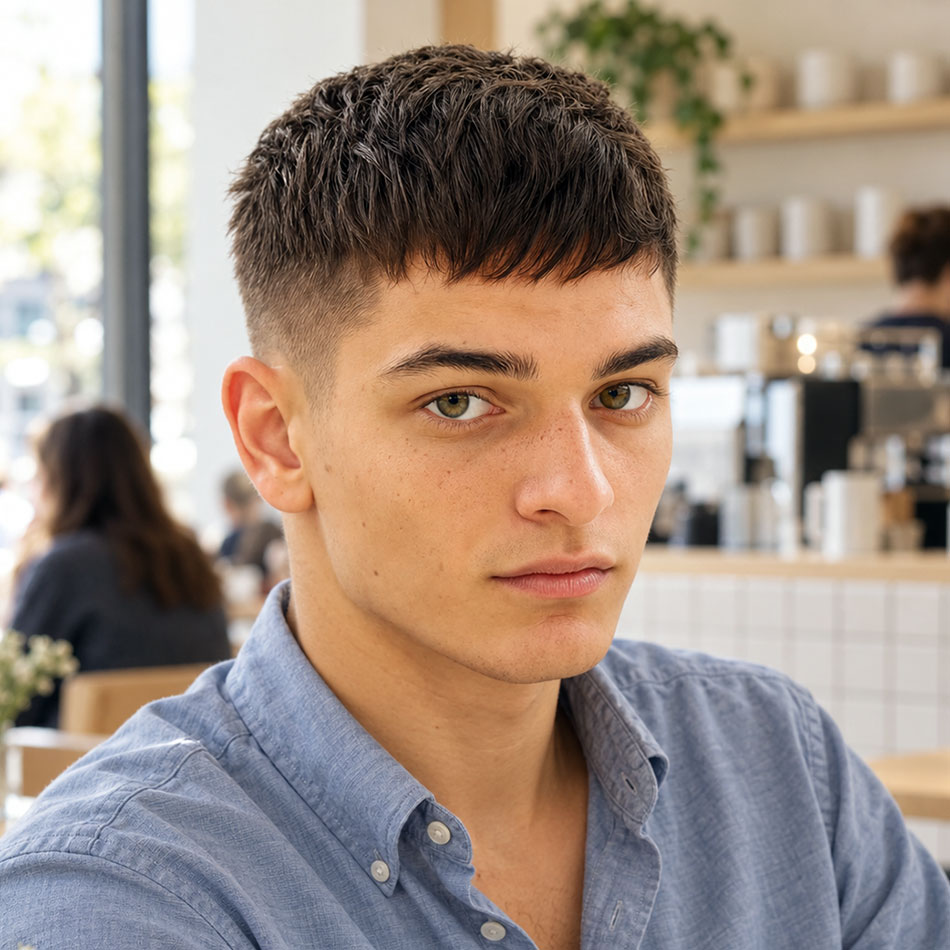
A bluntly cut fringe forms a stronger, more continuous line. You can point-cut the same fringe to soften the edge and encourage smaller sections to separate. A crop can retain a compact overall shape while receiving deeper texture through the top. Longer hair can be given subtle movement without looking deliberately choppy. Texture isn’t one fixed look. It is the degree and type of separation built into the haircut.
I prefer to treat texture as a result rather than a command. A client who asks for “lots of texture” may really want less bulk, a messier finish, more volume or a fringe that breaks into pieces. Identifying that goal prevents the barber from using a texturizing technique that addresses the wrong problem.
When Texture Goes Too Far
Overtexturized hair often feels light without becoming easier to control. Short internal pieces may push longer hair outward, creating fuzz or expansion instead of movement. The ends can look transparent, a fringe may lose its strength, and fine hair can reveal more scalp. On curly hair, excessive separation may break apart curl groups and produce an undefined surface.
The warning is not that texture is harmful. The problem is using the same depth, tool and placement on every head of hair. Fine straight hair generally needs more restraint than dense coarse hair. A strong perimeter can support internal texture, while weak ends rarely benefit from further breaking up.
What Are Layers In A Men’s Haircut?
Layers are different lengths arranged throughout a haircut to control its shape. Shorter sections can create lift, longer sections can preserve flow, and the relationship between them determines where the hair expands, collapses or changes direction. Layers do not automatically mean a shaggy appearance, nor do they require the ends to look thin.
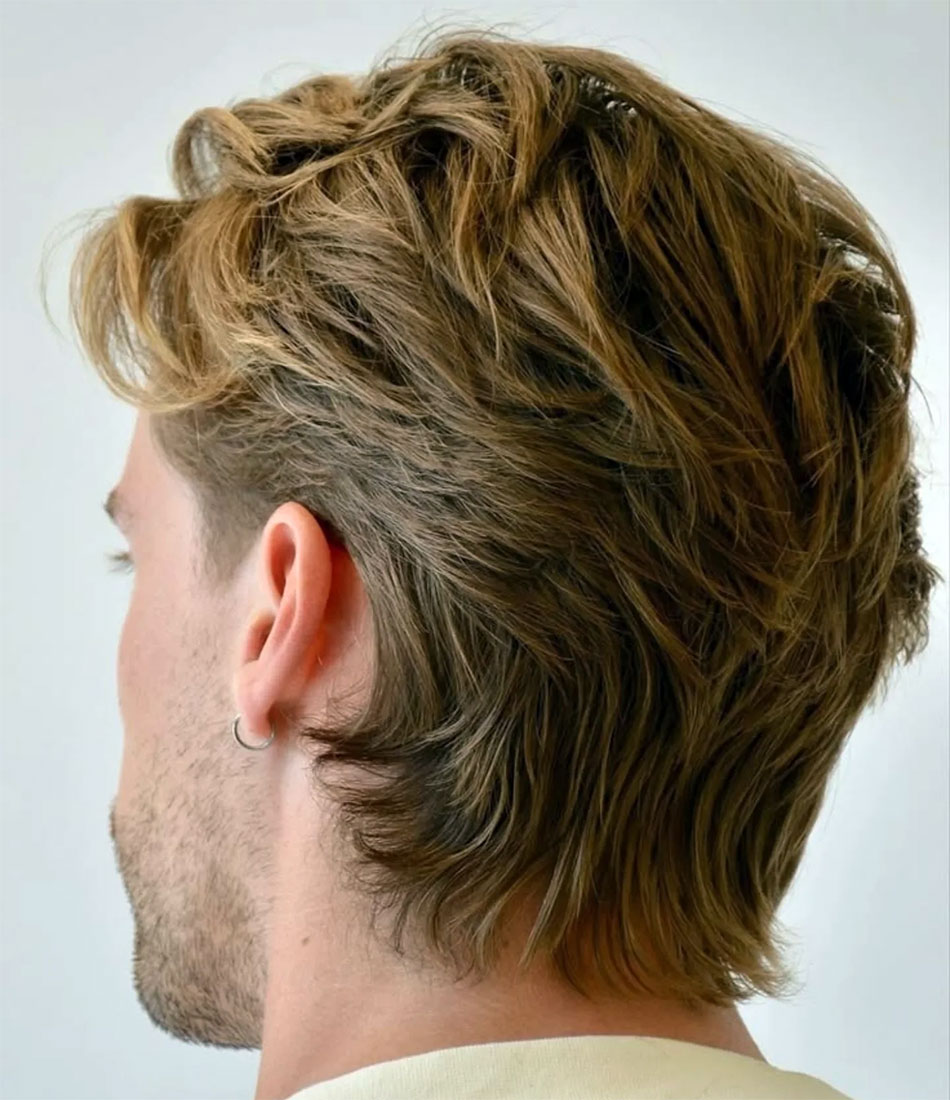
A middle part may use longer layers that connect the fringe to the sides and allow the hair to bend away from the face. A flow haircut needs enough progression through the front, crown and back to move as one shape. A textured crop uses shorter, more compact layering so the top can stand and separate. These haircuts are all layered, but the layer placement produces very different results.
The important question is not simply whether you want layers. It is what you want them to accomplish. They may create crown volume, reduce a heavy shelf, connect two lengths, keep movement through longer hair or make a dense top easier to style.
Layers and Graduation Are Not the Same
Layering generally distributes or removes weight by creating shorter lengths that release the hair. Graduation builds weight by stacking shorter hair beneath longer hair, producing a fuller or more structured area. A barber may combine both within one haircut. Graduation can support the shape around the sides, while layers through the top create movement and prevent excessive bulk.
Can Layers Make Hair Look Thinner?
Layers can make hair appear fuller when shorter sections create lift and prevent the style from lying flat. They can also make the ends appear thinner when too many short pieces are introduced or the perimeter loses density. Both outcomes are possible because “layers” describes a length structure, not one universal effect.
On fine hair, I would normally preserve more weight around the outline and use fewer, longer layers. Dense hair can often support deeper internal layering, but the outside shape still needs enough strength to remain controlled. The most successful plan considers how much hair is present and where the finished style needs support.
What Does Removing Weight Mean?
Weight is the concentration of hair that creates fullness or bulk within a shape. It commonly collects above the ears, through the corners, behind a fringe, around the crown or along the perimeter of longer hair. Removing weight means reducing or redistributing that bulk so the haircut sits and moves as intended.
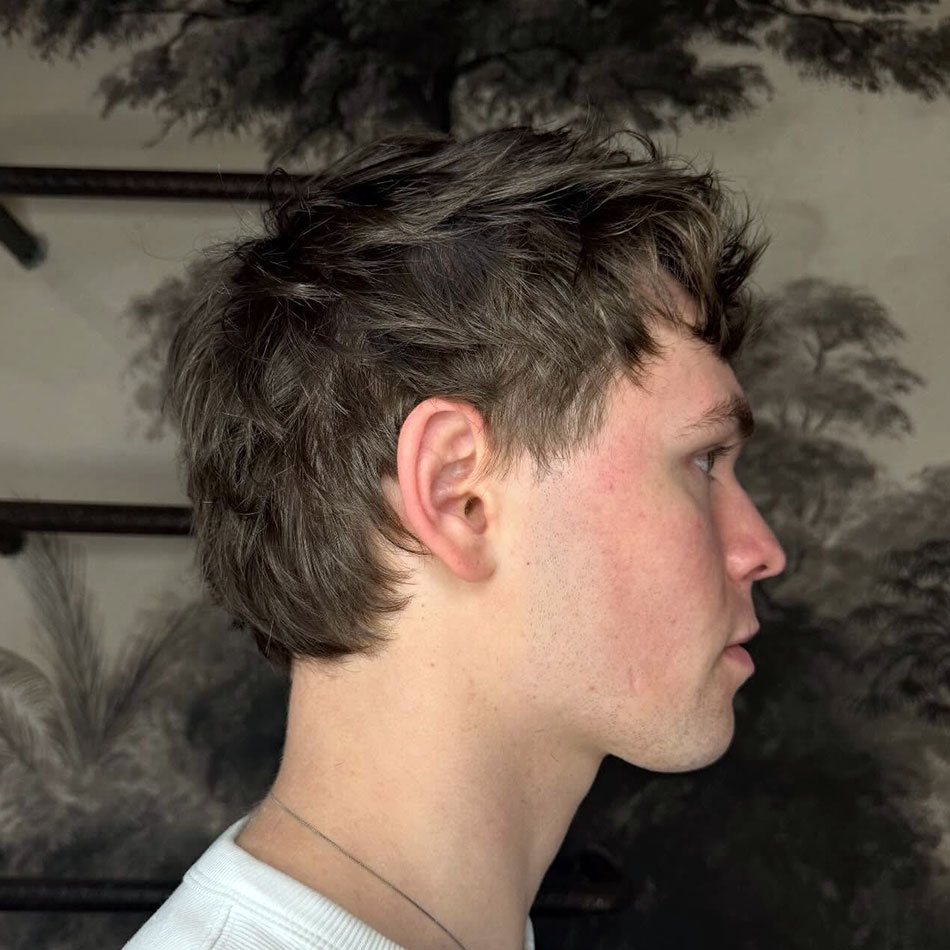
This does not necessarily mean making the whole haircut shorter or thinning every section. A barber may remove weight underneath a dense top while leaving the surface intact. He may narrow the sides with scissor-over-comb, release bulk behind a fringe or create internal space that allows wavy hair to bend. The change can be substantial without leaving the haircut visibly choppy.
I rarely want to thin an entire haircut indiscriminately. The better approach is to identify where excess weight interferes with the shape, then remove only what needs to move or collapse. Hair that already sits well should not be reduced simply because a tool is available.
Removing Weight vs Thinning Hair
Removing weight is the objective. Thinning is one possible method. A barber can reduce bulk with conventional shears, texturizing shears, a razor, clippers, internal layers or over-comb techniques. The correct choice depends on the area, length, natural texture and desired finish.
The phrase “thin it out” can also be misunderstood as a request to reduce density everywhere. That may be appropriate for exceptionally dense hair, but it is often too broad. A more useful request identifies the problem: the sides flare above the ears, the crown feels heavy, the fringe falls as one solid piece or the top is difficult to dry and shape.
Signs Your Hair May Need Weight Removed
- The sides form a shelf or flare above the ears.
- The top looks wide even after styling.
- A dense fringe falls forward as one heavy section.
- The crown feels bulky and does not connect with the back.
- Wavy hair expands outward instead of forming controlled bends.
- The haircut requires too much product to stay close to the head.
- Thick hair takes a long time to dry and remains difficult to redirect.
These signs don’t prove thinning shears are the answer. The area may need a different length, a stronger connection or a change in graduation. The barber should diagnose the cause before choosing the technique.
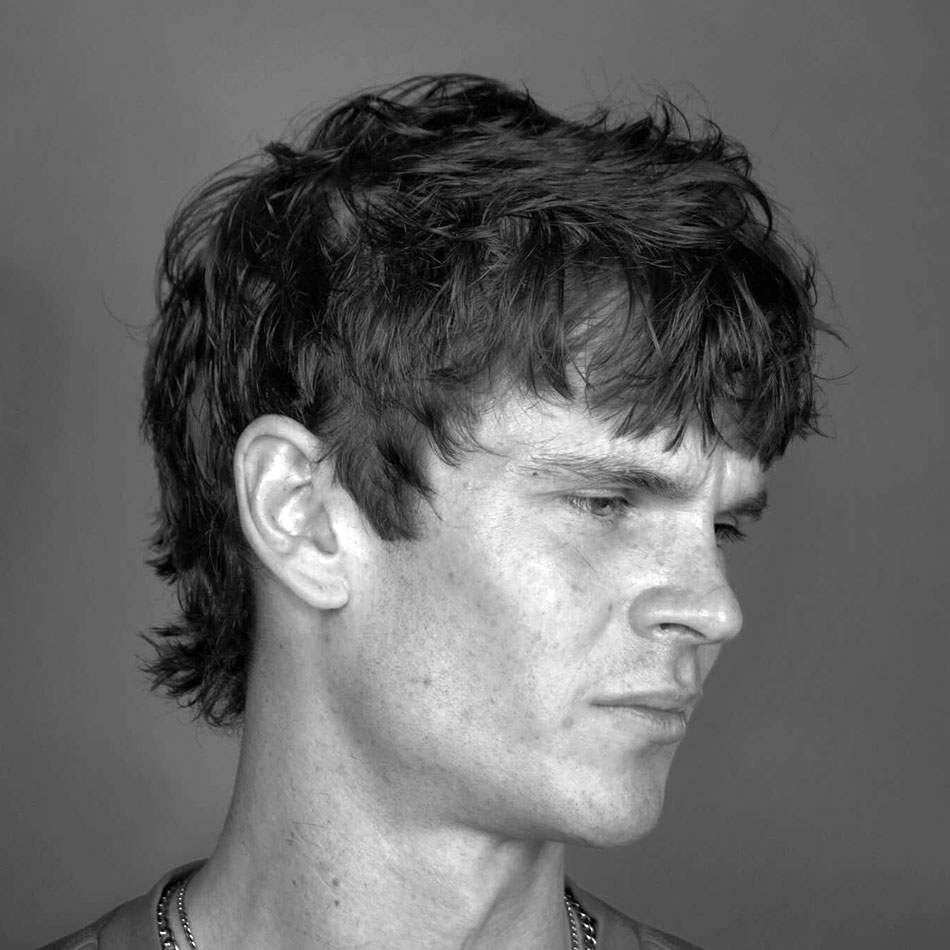
Signs Too Much Weight Was Removed
- The scalp becomes more visible through previously full sections.
- The ends look wispy, transparent or disconnected from the shape.
- Short internal hairs push through the surface and create frizz.
- The sides expand even though they feel lighter.
- Curls lose their groups and become difficult to define.
- The fringe no longer holds together or responds predictably to product.
More cutting is not always the solution. When the remaining hair lacks support, removing additional length can amplify the problem. A barber may be able to strengthen the perimeter or reshape the surface, but some internal sections will need time to grow.
How Barbers Add Texture and Remove Weight
Several techniques can create texture or reduce bulk, and barbers and stylists sometimes use the names differently. The important distinction is what the technique does in a particular area. Tool choice matters, but placement, depth and the amount of hair removed matter more.
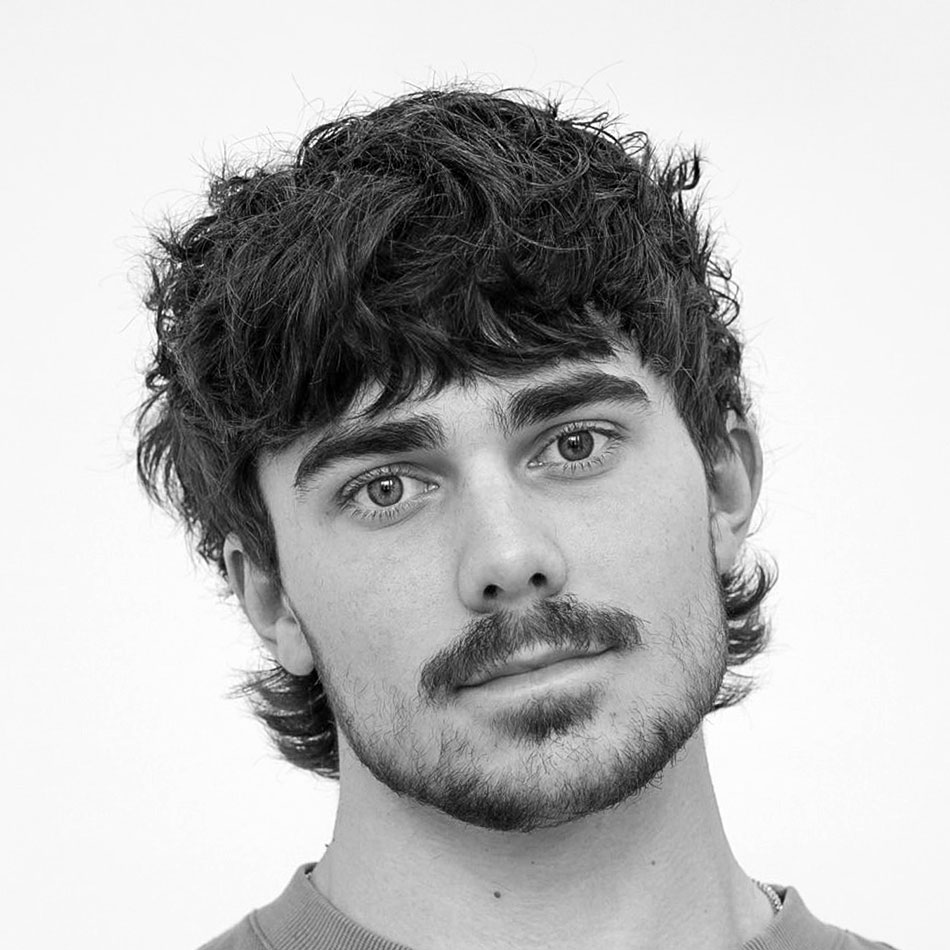
Point Cutting
Point cutting angles the tips of conventional shears into the ends instead of cutting a straight horizontal line. Shallow point cutting softens a blunt edge and creates modest separation. Deeper point cutting removes more weight and produces a stronger, choppier result.
Thinning and Texturizing Shears
These shears have teeth that leave some hairs long while cutting others. The percentage removed varies by tool, and the terms “thinning shear,” “blending shear” and “texturizing shear” are not used consistently across every brand or barbershop. A fine-tooth blending shear usually produces a softer, more even reduction, while a tool with fewer or wider teeth may create stronger separation.
They can be effective for reducing dense areas, softening transitions and refining scissor-over-comb work. Placement is critical. Used too close to the scalp, they can create short hairs that stand up beneath the surface. Repeated passes through the same section can remove far more density than the client expects.
Slide Cutting
Slide cutting uses the shears along the mid-lengths or ends to remove weight and create a softer transition between lengths. It is commonly used on medium and longer hair because it encourages movement without creating a blunt step. The tool must be sharp and the motion controlled. Dragging or repeatedly closing dull shears along the strand can pull the hair and compromise the finish.
Channel Cutting
Channel cutting removes selected pathways within dense hair, creating internal space while leaving much of the surface and perimeter intact. It can help thick hair collapse, move and dry more easily without making every end look textured.
Razor Cutting
A razor creates tapered ends and can produce soft movement with less visible bluntness than conventional shears. It can work well on straight hair, waves and certain curl patterns when the barber understands how the hair responds. Hair condition, blade sharpness, tension and technique all affect the result.
Scissor-Over-Comb and Clipper-Over-Comb
Over-comb techniques shape the outside of the haircut by controlling how much hair projects from the head before it is cut. They are particularly useful through the sides, corners and back, where bulk can make a haircut appear wide or disconnected.
Which Approach Works For Your Hair?
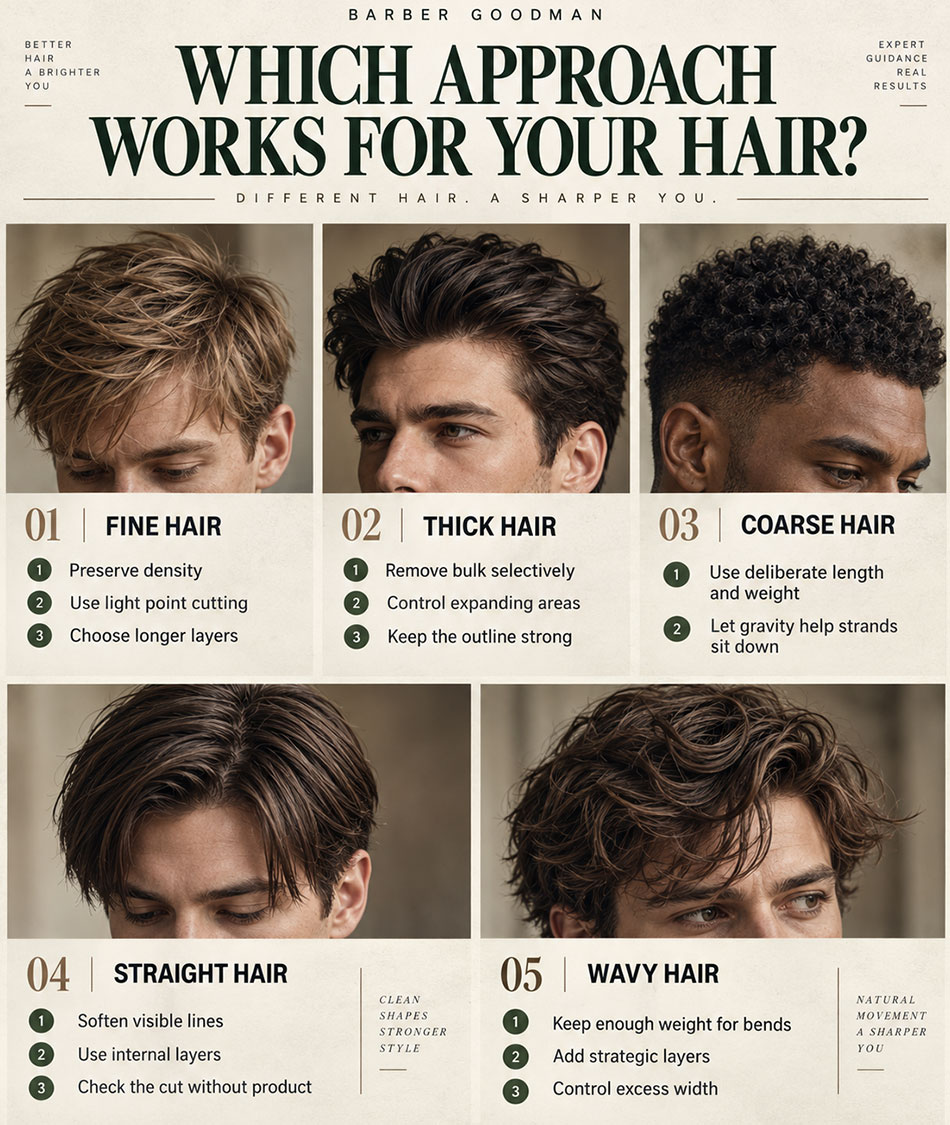
Fine Hair
Fine hair normally benefits from restraint. Preserve density through the perimeter, avoid excessive short internal pieces and use texture primarily where separation improves the style. Longer layers can create movement without making the ends transparent. A light point-cut finish may be more appropriate than repeated passes with thinning shears.
Thick Hair
Dense hair can support more internal weight removal, but removing more is not always better. The goal is to control the areas that expand, not weaken the entire haircut. Thick sides may need over-comb work, while a heavy top may benefit from internal layering, channel cutting or carefully placed texturizing shears.
Coarse Hair
Coarse describes strand diameter, not the number of hairs on the head. These stronger strands can create substantial bulk and resist bending, even when the overall density is moderate. Coarse hair often needs deliberate length and weight placement so gravity helps it sit down.
Curly or Coily Hair
Evaluate curls and coils in their natural position because shrinkage changes both length and volume. The hair often needs weight for curl groups to stay connected, particularly through the perimeter. Layers can create shape and release excessive width, but overly short internal pieces may expand or leave gaps.
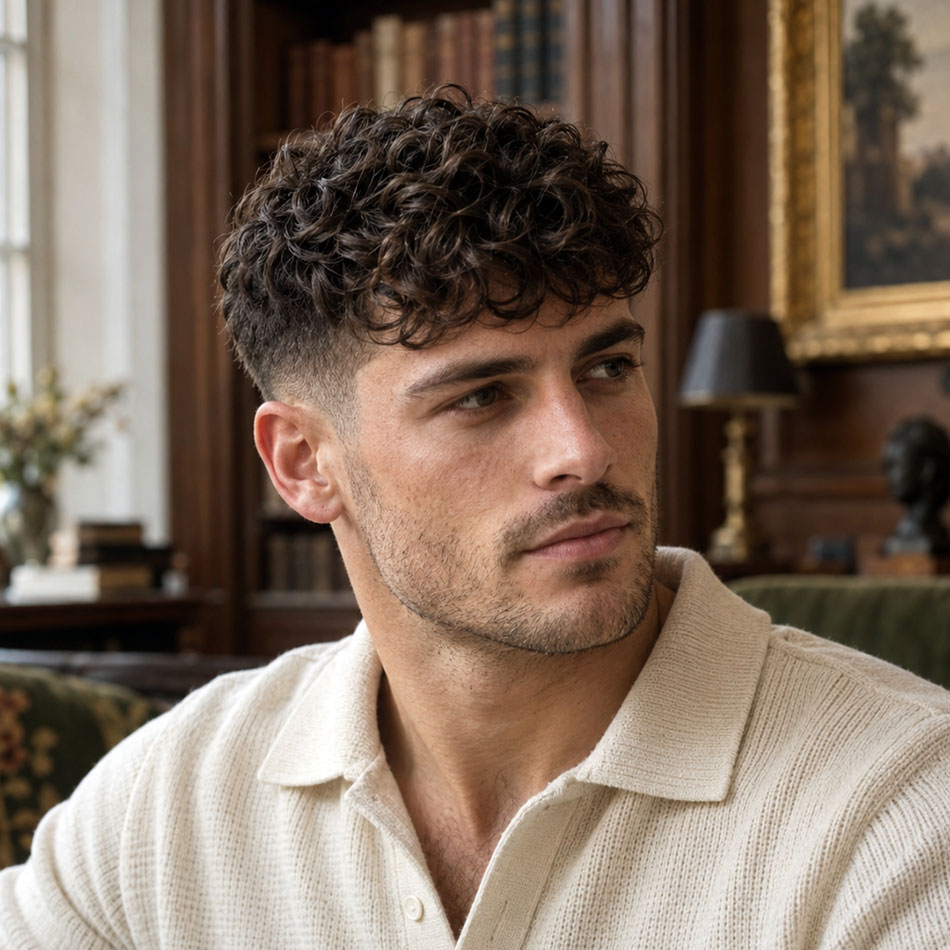
Straight Hair
Straight hair shows lines, gaps and weak blending clearly. Point cutting can soften a fringe or perimeter, while internal layering can prevent the top from falling as one solid block. The barber should check how the hair sits without product because straight sections may expose inconsistencies that waves or curls would disguise.
Wavy Hair
Wavy hair needs enough weight to form recognizable bends, but not so much that the pattern is pulled flat or forced outward. Strategic layers can encourage movement, and internal weight removal can reduce a triangular or overly wide silhouette.
What To Ask Your Barber
Describe the problem before prescribing the tool. Explain where the hair feels heavy, where it sticks out and how you want the finished style to move. Bring reference photographs that show the front, side and back, then point out the specific qualities you want rather than assuming the haircut name communicates every detail.
Useful requests include:
- “The sides feel bulky above my ears, but I do not want them taken much shorter.”
- “Can you remove internal weight while keeping the outside shape strong?”
- “I want more separation through the top without making it look thinner.”
- “Please preserve density through the fringe and soften only the edge.”
- “My crown stands up when it is too short, so I need enough weight there.”
- “I want movement through the longer sections, not a visibly choppy finish.”
You can also ask the barber what he intends to change before he starts cutting. A brief explanation of where he will layer, debulk or preserve weight gives you both an opportunity to correct a misunderstanding.
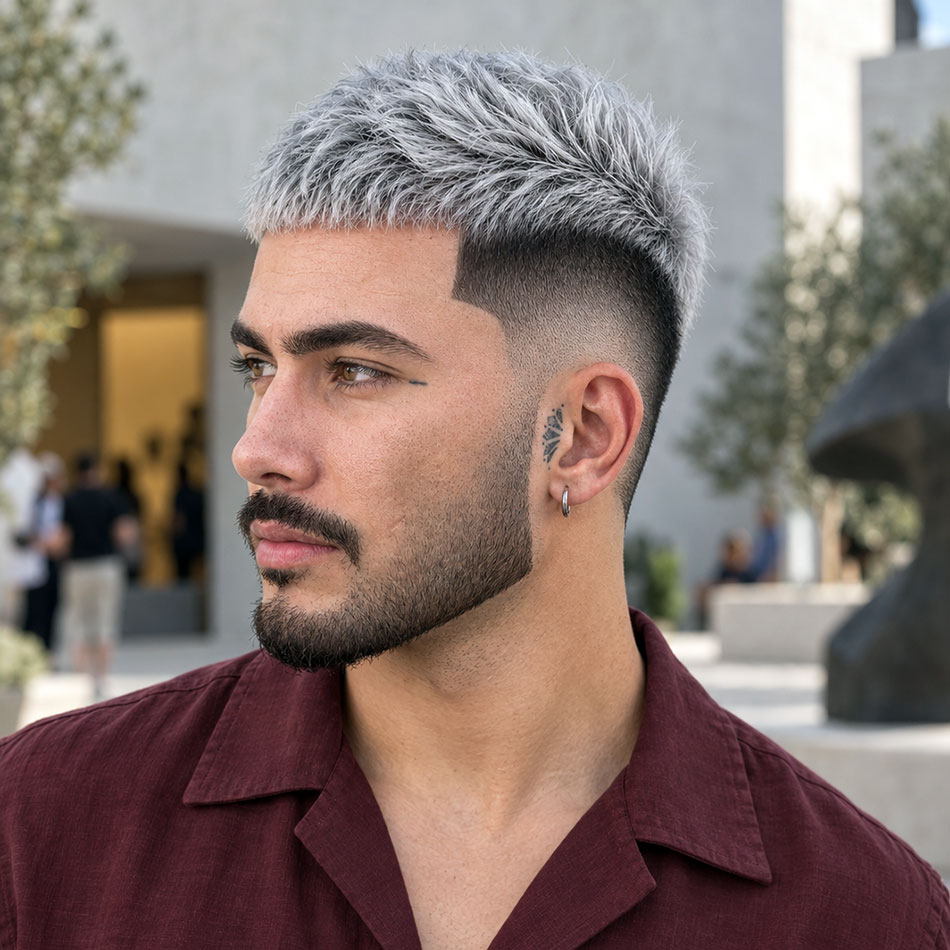
Should You Let A Barber Use Thinning Shears?
Thinning shears are useful when the tool and placement match the problem. They can soften transitions, reduce concentrated density and make thick hair easier to control. Their presence doesn’t indicate a poor haircut, and refusing them outright may eliminate an effective option.
The reasonable concern is indiscriminate use. Ask where the barber plans to use them and what the passes are meant to accomplish. If you had a bad experience, describe the result, such as transparent ends or short hairs standing through the top, rather than blaming the tool alone.
How To Fix Overtexturized Hair
You can’t restore overtexturized hair immediately because the removed strands must grow back. The first goal is to avoid making the problem worse. More thinning may make the hair feel lighter temporarily but further reduce the support needed for the style to sit correctly.
- Have the shape assessed dry. The barber needs to see where short pieces expand, where the perimeter looks weak, and how much scalp is visible.
- Strengthen the outline when possible. A modest trim can make transparent ends look fuller, though preserving length may matter more in severely thinned areas.
- Leave the internal sections alone. Allow short pieces to catch up instead of repeatedly blending them into new shorter lengths.
- Use lighter styling products. Creams and flexible pastes can control flyaways without separating the hair as aggressively as a dry clay or texture powder.
- Reduce unnecessary heat. High heat and repeated manipulation can make already weak or frizz-prone ends look rougher.
- Schedule a reshaping appointment. A barber can monitor the grow-out and gradually rebuild the intended weight distribution without restarting the haircut.
FAQs
What Does Adding Texture To A Haircut Mean?
Adding texture means breaking up a solid shape so the hair has more separation, movement or softness. A barber may use point cutting, texturizing shears, a razor or other techniques depending on the desired result. Texture can be subtle and blended or deliberately choppy, and it should make the intended style easier to create.
Are Layers The Same As Thinning Hair?
No. Layers create different lengths throughout a haircut to control shape, volume and movement. Thinning removes a portion of the hair within selected areas to reduce density or soften a transition. Layers can make hair look fuller or lighter depending on their placement, while thinning directly reduces the amount of hair contributing to an area.
Does Removing Weight Make Hair Look Thinner?
Careful weight removal should reduce unwanted bulk without making the entire haircut appear sparse. The result can look cleaner and move more easily while retaining a strong surface and perimeter. Hair may look thinner when too much is removed, the work is placed too close to the roots or the original density was already limited.
Should Thick Hair Be Thinned Out?
Thick hair often benefits from targeted weight removal, but it should not automatically be thinned throughout. The barber should identify where bulk disrupts the shape, such as above the ears or beneath a heavy top. Preserving weight in supportive areas prevents short internal hairs from pushing the longer surface outward as the haircut grows.
Can Fine Hair Be Texturized?
Fine hair can be texturized conservatively when separation or a softer edge will improve the style. The barber should protect density through the perimeter and avoid excessive short pieces inside the haircut. Shallow point cutting or a small amount of end texture is often safer than aggressive thinning through the roots and mid-lengths.
Do Thinning Shears Cause Frizz?
Thinning shears can contribute to frizz when they create too many short internal hairs or disrupt natural wave and curl groups. They don’t produce the same result on every head of hair. Tool design, placement, number of passes, hair condition and natural texture all determine whether they create useful softness or unwanted expansion.
Texture, layers and weight removal are most useful when they solve a defined problem. Texture creates separation, layers establish the shape, and weight removal controls bulk. A skilled barber may use all three in one haircut, but each decision should have a clear purpose. Tell your barber what the hair is doing now and what you want it to do instead. That information is more valuable than requesting a tool or technique by name.
